What Can DP Do Too? Deep Potential Molecular Dynamics Reproduces the Entire Cast-Rolling Process of 1xxx Aluminum Alloys
Recently, the group of Professor Xiumin Chen at the National Engineering Research Center of Vacuum Metallurgy, Kunming University of Science and Technology, in collaboration with DP Technology, applied a new AI-driven scientific research approach (AI for Science) to implement neural-network potential molecular dynamics simulations for nanoscale simulation of complex industrial processes. They completed a three-level multi-scale simulation and validation route spanning first-principles molecular dynamics (FPMD) + Deep Potential Molecular Dynamics (DPMD) + industrial experimental verification, establishing the connection from atomic-scale dynamic behavior to experimental microstructural characterization. This reveals the intrinsic micro-mechanisms of materials at different process stages and verifies them experimentally, providing reliable support for theoretical research to guide the optimization of complex processes. Using Deep Potential Molecular Dynamics (DPMD), this work carried out atomic simulations of the entire cast-rolling and processing chain of 1xxx aluminum alloys and validated the multi-scale simulation results with industrial experiments, revealing the atomic diffusion, segregation behavior, and dislocation evolution mechanisms of 1XXX-series commercial pure aluminum across the entire cast-rolling and heat-treatment chain. The intrinsic mechanisms by which combined Ti and B additions regulate microstructure and suppress brittle intermetallic phases were clarified, providing important guidance for practical process optimization and composition design of aluminum alloy sheets.
The entire cast-rolling process of industrial aluminum alloys involves multiple complex stages, including alloy melting, rolling deformation, and heat treatment. Although traditional experimental methods can obtain the final microstructure and dislocation information from each stage, they can only show the results, not the interaction processes of elements inside the material. The final properties of the material originate precisely from microscopic behaviors such as component diffusion, solute segregation, amorphous-to-crystalline transformation, and dislocation nucleation and multiplication during the complex melting, cooling, rolling, and annealing processes. These dynamic behaviors occur at extremely short time and spatial scales, making it difficult for experiments to trace the complete evolution process.
Because experiments are limited to observing only the “surface” rather than the “interior,” computational simulation of microscopic particle behavior has naturally become a common research approach. Although conventional first-principles molecular dynamics (FPMD) offers high computational accuracy, it can only simulate small systems of a few hundred atoms on picosecond timescales, making it difficult to reproduce the long-time, large-scale atomic dynamics of the entire cast-rolling process. To address this limitation, this work uses Deep Potential Molecular Dynamics (DPMD) to simulate large multicomponent systems at the nanoscopic and nanosecond scales. With accuracy approaching that of FPMD, it directly reproduces the atomic evolution of AlFe, AlFeSi, and AlFeSiTiB alloys throughout the entire process from melting and solidification to annealing. The DPMD simulation results show that the diffusivity of aluminum atoms is significantly higher than that of iron atoms, and iron atoms tend to segregate during the melting stage to form iron-rich clusters. Silicon weakens Al-Al and Al-Fe atomic bonding, alleviating local iron enrichment. Ti and B synergistically generate primary TiB₂ nuclei and, through chemical bonding modulation, inhibit Fe-Si atomic agglomeration, substantially reducing the degree of elemental segregation in the melt and improving the uniformity of the atomic distribution in the melt. Combined with EBSD-KAM experimental characterization, the simulations were quantitatively validated: the simulated dislocation densities are in the same order of magnitude as industrial experimental results for aluminum alloy sheets of the same composition, and the variation trends are highly consistent. From the perspective of atomic dynamics, the micro-mechanism by which TiB₂ refines grains and weakens brittle intermetallic compounds is clarified.
Research Background
1XXX-series commercial pure aluminum and aluminum alloy sheets are widely used in packaging, electronics, transportation, and other fields because of their light weight, high plasticity, and good electrical and thermal conductivity. However, acicular iron-rich brittle intermetallic phases are easily formed during cast-rolling, seriously degrading the plasticity and workability of the sheets. The alloying elements Si, Ti, and B significantly change the atomic diffusion behavior in the melt, interfacial interactions, and the dislocation configurations after subsequent solidification and annealing, ultimately determining the overall performance of the finished sheet. Traditional experimental methods can obtain the final microstructure of the alloy, but the atomic-scale dynamic behaviors of Fe, Si, Ti, and B during alloy melting, rolling deformation, and heat treatment—including their interactions, migration behavior, crystal transformation, and dislocation nucleation—are extremely difficult to trace throughout the entire chain by experiments.
Therefore, there have been many first-principles (FPMD) studies on heterogeneous nucleation of TiB₂ and elemental interfacial segregation, which can accurately determine microscopic parameters such as interfacial energy, lattice misfit, and nucleation barriers. However, FPMD is limited by simulation scale and can only resolve static or short-time microscopic interactions at local interfaces; it cannot cover the long-time, large-scale dynamic evolution of the entire cast-rolling process, including melting, rolling, and annealing. Traditional experimental characterization methods (such as EBSD) can obtain grain and dislocation information from macroscopic samples after annealing, but they cannot directly observe the atomic-scale dynamic evolution during melting and solidification.
In this study, FPMD calculation results are first analyzed at the electronic level to clarify the mechanisms of interatomic bonding, charge transfer, and elemental diffusion. A high-precision DeePMD potential is then trained, and large-scale DPMD simulations are performed in LAMMPS to fully reproduce the entire process of melting, cooling, multi-pass rolling, and two rounds of heat treatment. Finally, samples are taken from industrially produced 1xxx aluminum strip, and EBSD experiments are used to characterize grain structure, dislocation density, and texture, validating the simulation predictions and establishing the link between atomic-scale dynamic behavior and experimental microstructural characterization.
In the FPMD part, the authors constructed three systems—AlFe, AlFeSi, and AlFeSiTiB—and performed analyses using the radial distribution function (RDF), mean square displacement (MSD), HOMO-LUMO orbitals, and electron density difference (EDD). Between Al and Fe, ionic-covalent bonds form, and the diffusion rate of Fe atoms is much lower than that of Al, making atomic segregation highly likely. This is the electronic-dynamic origin of the easy precipitation of the brittle AlFe phase. After adding Si, Al-Al and Al-Fe interactions are weakened; Fe-Si forms ionic-covalent bonds, Al-Si is dominated by covalent bonds, the overall atomic diffusivity is enhanced, and local Fe enrichment is alleviated. With the further combined addition of Ti and B, the bonding characteristics of the system change further: Al-B and Al-Ti exhibit ionic-covalent character, and B-Fe forms covalent bonds. The overall atomic diffusivity of the system is further improved, and TiB₂ nucleation cores are preferentially formed, inhibiting large-scale clustering of Fe and Si.
In the large-scale full-process DPMD simulation section, more than 400,000 first-principles data entries were used to train the deep potential. The simulation model was a 100 Å × 100 Å × 100 Å cubic supercell, and the complete simulation path was melting–cooling–first rolling pass (64% reduction)–heat treatment at 808 K–quenching–second rolling pass (73% reduction)–heat treatment at 613 K–quenching. Crystal structures were identified by CNA, dislocation evolution was analyzed by DXA, and the microstructural evolution of different systems was tracked throughout the process.
Results
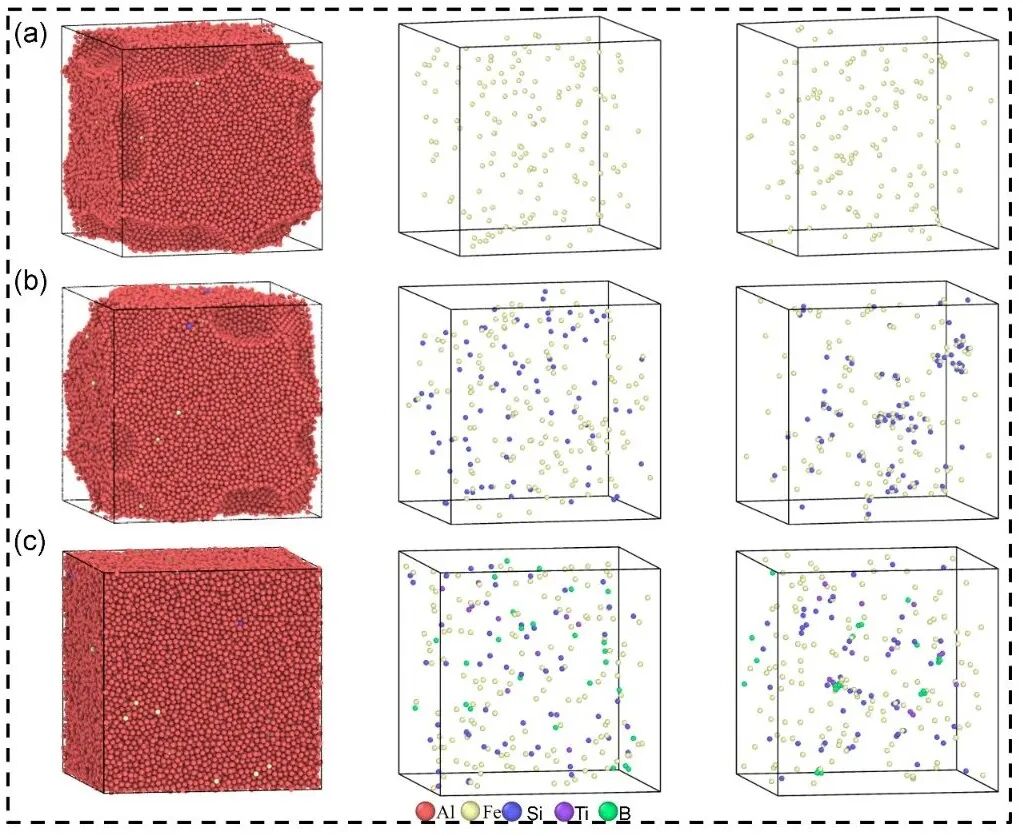
Figure 1. Structural snapshots of different systems before and after melting with aluminum atoms hidden; (a) AlFe system; (b) AlFeSi system; (c) AlFeSiTiB system.
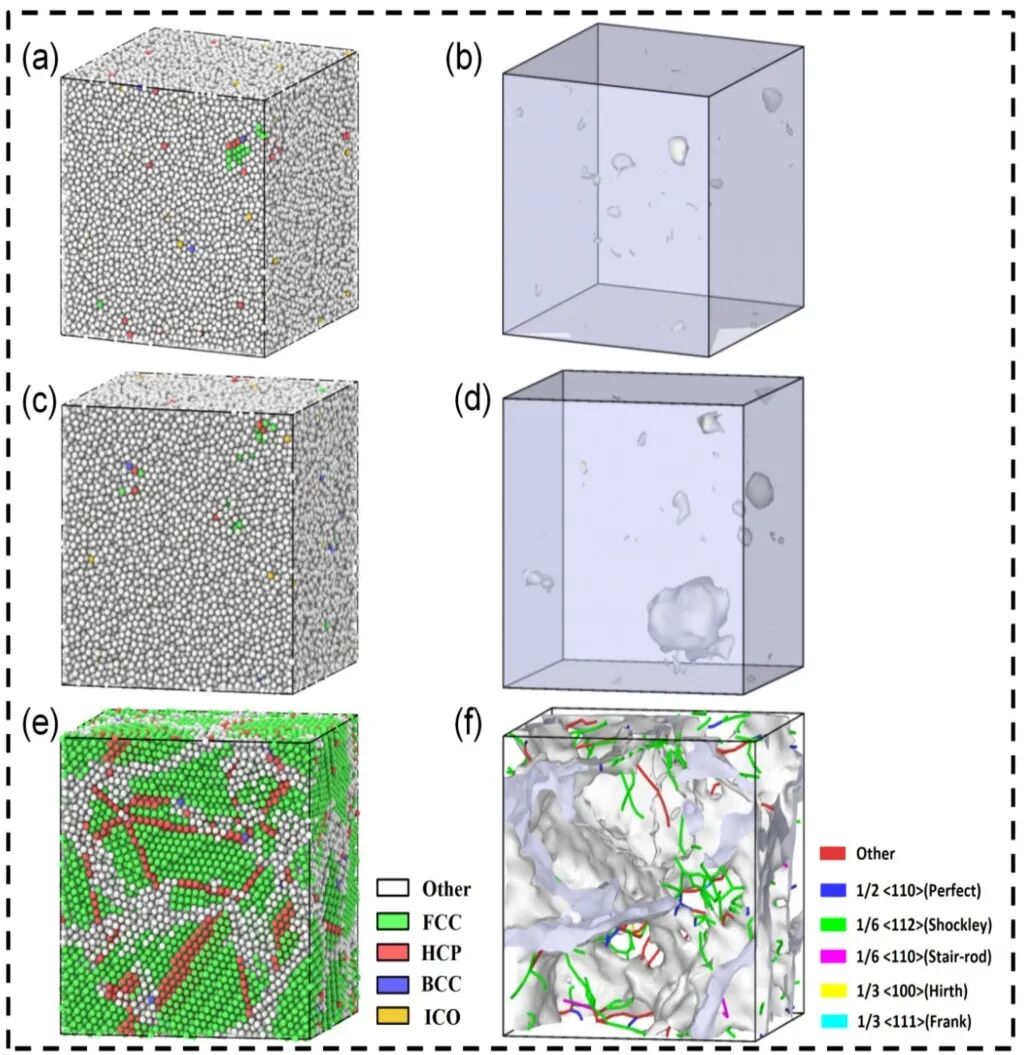
Figure 2. CNA and DXA analysis results for different systems; (a) CNA analysis of the AlFe system; (b) DXA analysis of the AlFe system; (c) CNA analysis of the AlFeSi system; (d) DXA analysis of the AlFeSi system; (e) CNA analysis of the AlFeSiTiB system; (f) DXA analysis of the AlFeSiTiB system.
Figures 1 and 2 show structural snapshots of different systems before and after melting with aluminum atoms hidden, as well as CNA and DXA analysis results of the corresponding systems. DPMD simulations compared the atomic behavior of the AlFe, AlFeSi, and AlFeSiTiB alloys throughout the melting–cooling process. In the AlFe binary system, Fe atoms aggregate after melting to form iron-rich clusters, and acicular AlFe brittle phases are easily generated after cooling. At the end of cooling, the matrix is mostly amorphous, with a very low crystal fraction. In the AlFeSi ternary system, Fe and Si agglomerate after melting, with a higher degree of agglomeration than in the AlFe system, and acicular AlFeSi phases are easily precipitated after cooling; the matrix is also mainly amorphous. In the AlFeSiTiB five-component system, Ti and B atoms preferentially aggregate after melting to form TiB₂ nucleation cores, effectively weakening the agglomeration of Fe and Si atoms. In this system, the amorphous-to-crystalline transition is advanced to the cooling stage. As cooling proceeds, the FCC crystal fraction continues to increase, and various dislocations, mainly Shockley partial dislocations, gradually emerge during cooling.
Overall, the melting–cooling stage is dominated by atomic diffusion and cluster nucleation, with almost no plastic deformation and very few dislocations overall. The addition of Ti-B can promote preferential nucleation, inhibit coarse secondary phases, and reduce defects from the source, providing a good microstructural foundation for subsequent rolling deformation.
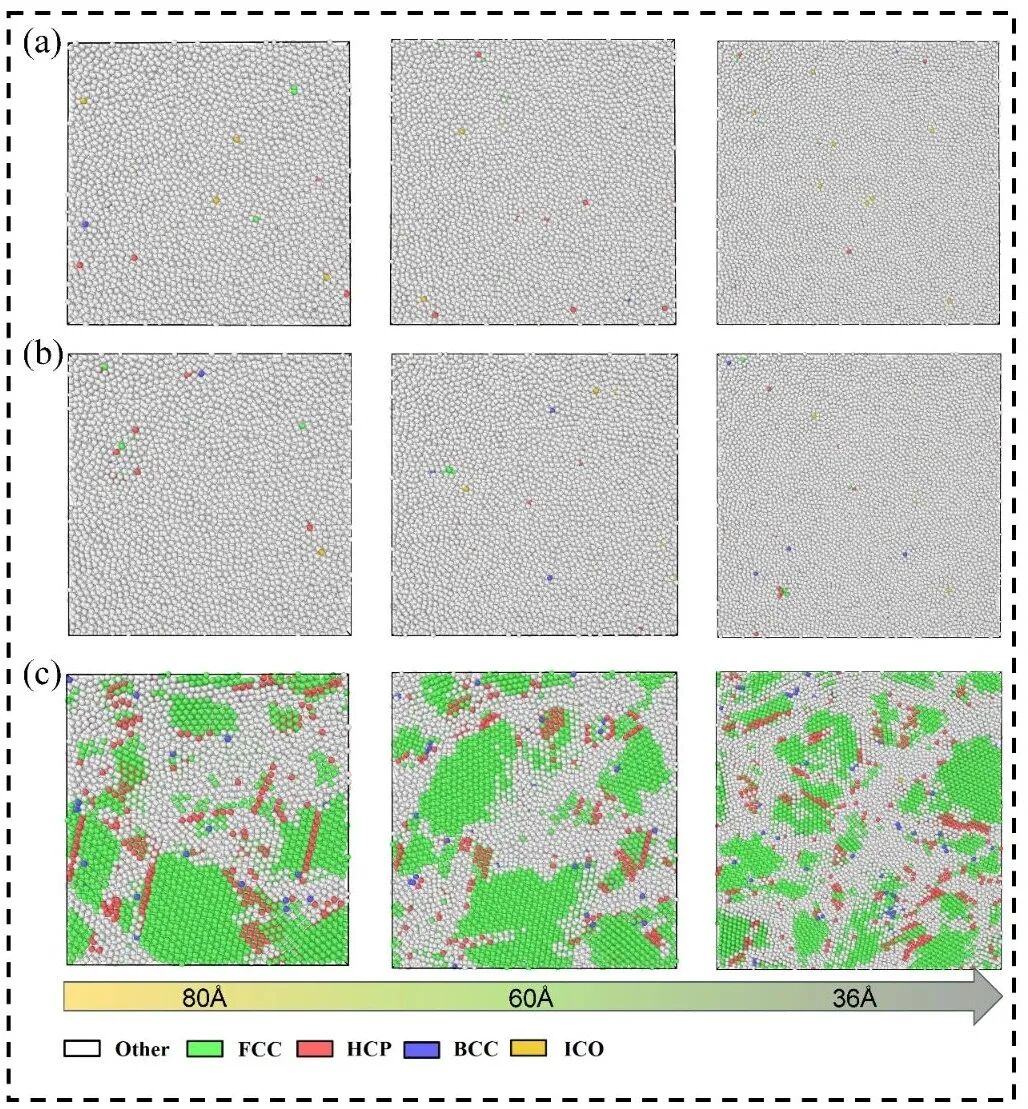
Figure 3. CNA snapshots of different systems at different thicknesses during the first rolling pass; (a) AlFe system; (b) AlFeSi system; (c) AlFeSiTiB system.
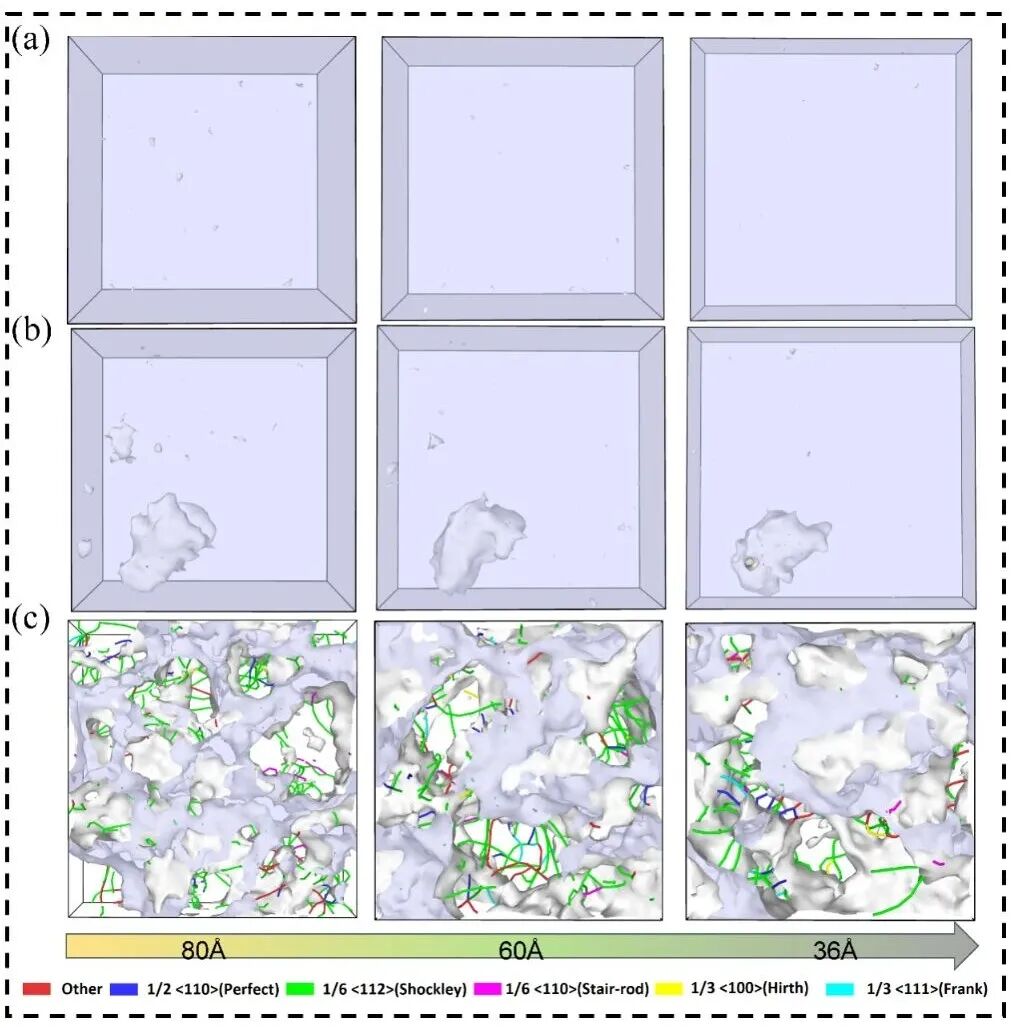
Figure 4. DXA snapshots of different systems at different thicknesses during the first rolling pass; (a) AlFe system; (b) AlFeSi system; (c) AlFeSiTiB system.
Figures 3 and 4 show CNA and DXA snapshots of different systems at different thicknesses during the first rolling pass. The AlFe and AlFeSi systems formed almost no FCC or HCP crystalline phases after cooling, and the overall structure was mainly amorphous. Therefore, after the first rolling deformation, the crystal structure fractions of the two systems remained almost unchanged: the systems were still 99.9% amorphous, with only a very small amount of HCP structure detected. In terms of dislocation evolution, the AlFe system produced almost no dislocations during the entire rolling process. In the AlFeSi system, a small number of Shockley dislocations appeared when rolled to 80 Å; upon further compression to 60 Å, the number of Shockley dislocations decreased somewhat; when the thickness reached 36 Å, a small number of other types of dislocations appeared, while the number of Shockley dislocations remained essentially unchanged.
Unlike the previous two systems, AlFeSiTiB had already formed considerable FCC and HCP crystals after cooling. Under rolling compression, the stability of the crystal structure was destroyed: the fractions of FCC and HCP gradually decreased, while the fraction of amorphous structure continuously increased. At a rolled thickness of 80 Å, obvious grain boundaries began to appear; upon compression to 60 Å, the amorphous grain boundaries further coarsened, producing a clear cutting effect on the aluminum matrix; when rolled to 36 Å, the matrix became dominated by the amorphous phase, and the amorphous regions interconnected to form blocky grain boundaries, severely damaging the alloy’s crystalline structure. The DXA results show that as the rolling thickness decreased, the number and length of dislocations in this system continued to increase. The dislocations were mainly Shockley dislocations and other types of dislocations; in the later stage, the fraction of perfect dislocations increased, and the dislocations generally exhibited elongated distributions, indicating very significant plastic deformation behavior.
Because AlFe and AlFeSi contained very few internal crystals, the microstructural and dislocation changes during rolling were limited. In contrast, the large number of internal crystals in AlFeSiTiB continuously transformed into amorphous structures during rolling, grain boundaries coarsened, and dislocations multiplied substantially. The rolling stress promoted crystal disordering, induced dislocation nucleation, and resulted in work hardening.
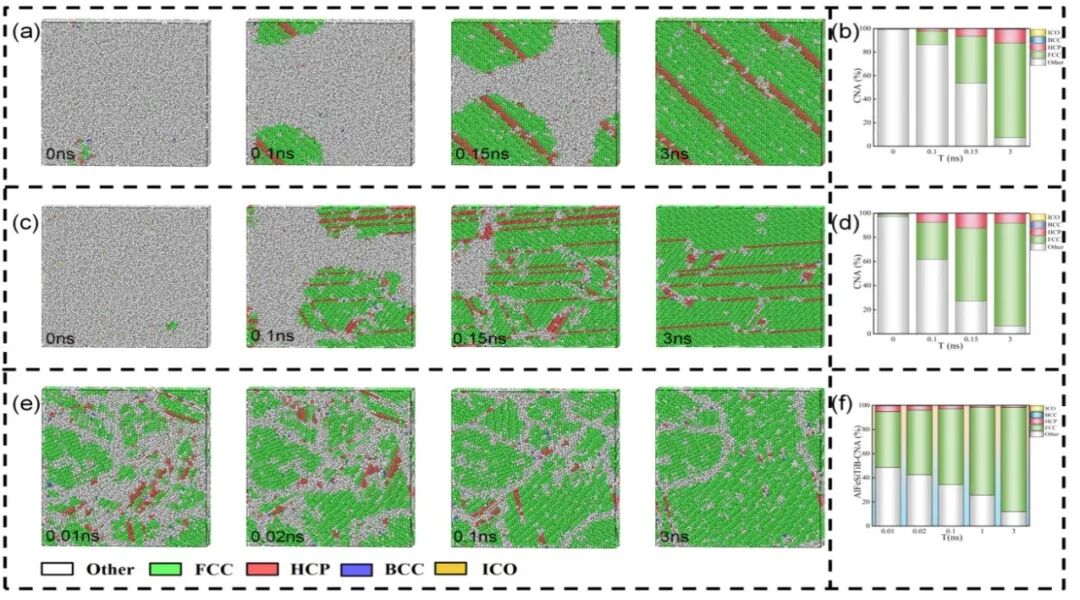
Figure 5. CNA snapshots and crystal structure fraction histograms of different systems during the first heat treatment; (a) AlFe system; (b) histogram of crystal structure fractions for the AlFe system; (c) AlFeSi system; (d) histogram of crystal structure fractions for the AlFeSi system; (e) AlFeSiTiB system; (f) histogram of crystal structure fractions for the AlFeSiTiB system.
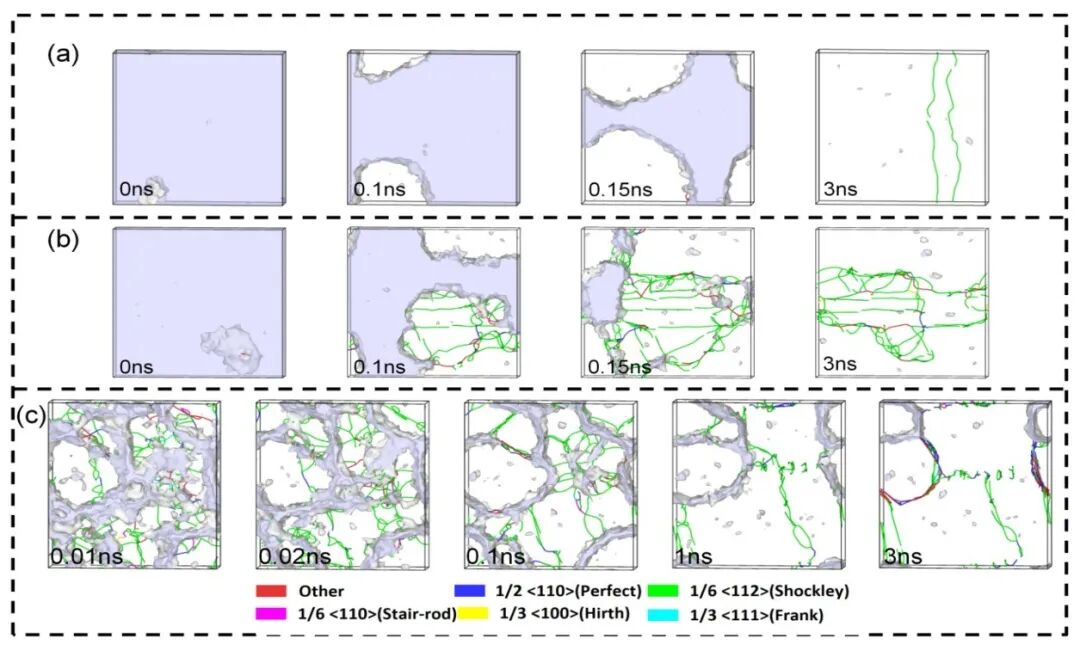
Figure 6. DXA snapshots of different systems during the first heat treatment; (a) AlFe system; (b) AlFeSi system; (c) AlFeSiTiB system.
Figures 5 and 6 show CNA and DXA snapshots of different systems during the first heat treatment. As shown, the AlFe system has the slowest crystallization rate: with increasing heat-treatment time, the amorphous phase is continuously consumed, the fractions of FCC and HCP crystals gradually increase, and eventually FCC and HCP stack alternately. Dislocations gradually emerge during heat treatment, first Shockley dislocations and then stair-rod dislocations, with Shockley dislocations dominating in the later stage; the overall increase in total dislocation content is limited. The crystallization rate of the AlFeSi system is significantly higher than that of the AlFe system. During heat treatment, the amorphous phase rapidly transforms into crystals, dislocations are generated in large numbers, and dislocation slip is stronger than in the AlFe system. In the later stage of heat treatment, dislocations are still dominated by Shockley dislocations, and the dislocation length decreases slightly. The AlFeSiTiB system has the fastest crystallization rate, with significant phase transformation occurring in the early stage of heat treatment, and grain boundaries change from blocky to lamellar. The dislocations exhibit recovery characteristics: they begin to decrease in the early stage of heat treatment, gradually accumulate at amorphous grain boundaries, and eventually most dislocations are concentrated in grain boundary regions.
Overall, the first heat treatment can repair the microscopic damage caused by rolling, promote the transformation from amorphous to crystalline structures, optimize grain boundary morphology, and regulate dislocation configurations. The crystallization rates follow AlFeSiTiB > AlFeSi > AlFe, confirming that Ti and B promote nucleation and Si assists crystallization. The simulation results confirm that heat treatment relieves the lattice distortion caused by rolling through atomic rearrangement and achieves microstructural repair.
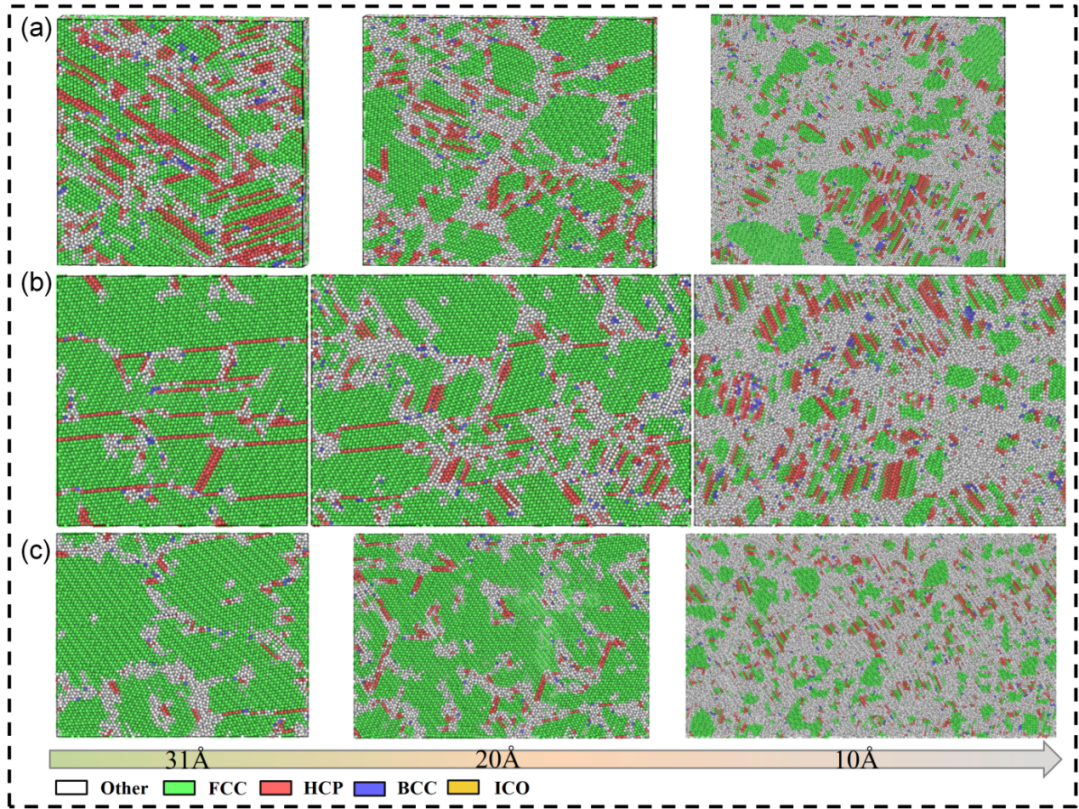
Figure 7. CNA snapshots of different systems at different thicknesses during the second rolling pass; (a) AlFe system; (b) AlFeSi system; (c) AlFeSiTiB system.
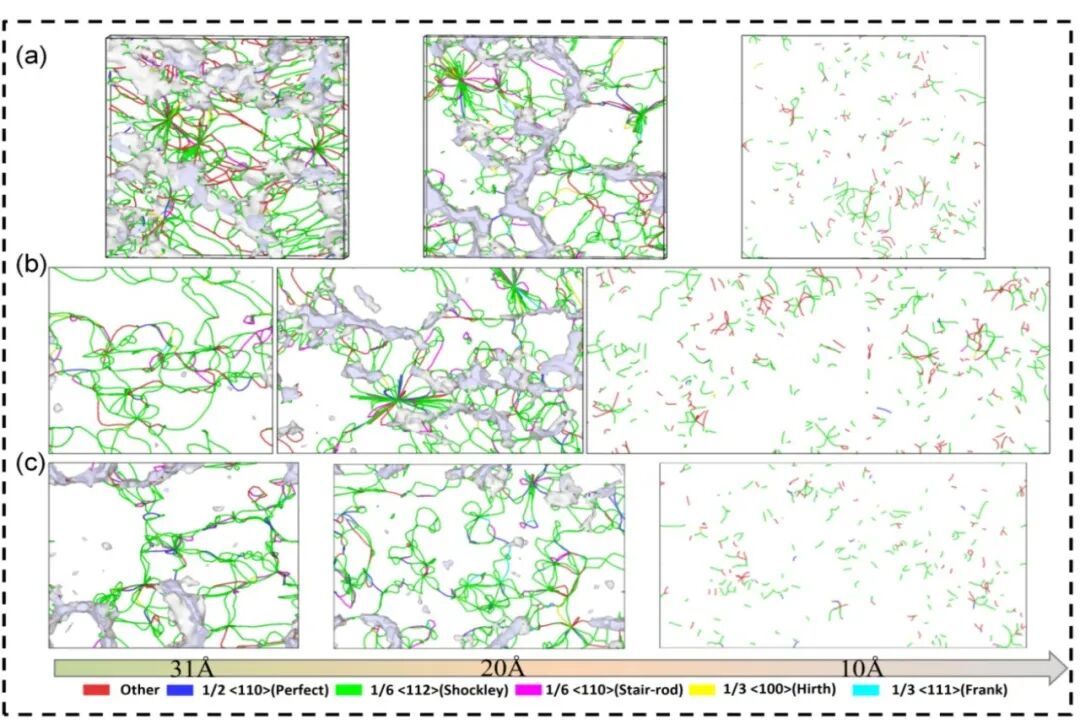
Figure 8. DXA snapshots of different systems at different thicknesses during the second rolling pass; (a) AlFe system; (b) AlFeSi system; (c) AlFeSiTiB system.
Figures 7 and 8 show CNA and DXA snapshots of different systems at different thicknesses during the second rolling pass. As shown, in the AlFe system, with rolling compression, the crystalline phase continuously decreases, while the amorphous phase continuously increases and gradually forms grain boundaries; when rolled to 10 Å, the matrix is almost entirely occupied by the amorphous phase, and thick amorphous grain boundaries severely cut through the aluminum matrix. In terms of dislocations, they first multiply substantially to form elongated dislocations; as deformation continues, the elongated dislocations gradually break up into short dislocations dispersed inside the matrix. In the AlFeSi system, the degree of crystal-to-amorphous transformation is weaker than in the AlFe system. In the early stage of rolling, the crystal fraction remains relatively high; with increasing reduction, the amorphous phase continuously increases and connects to form coarse grain boundaries. Dislocations also undergo the whole process of multiplication, slip, and refinement, forming obvious dislocation slip centers, and finally the elongated dislocations break into short dislocations. In the AlFeSiTiB system, the crystal-to-amorphous transformation starts earlier, and clear grain boundaries appear earlier. Under large reduction, the amorphous fraction increases substantially, forming connected coarse amorphous structures. This system shows the most significant increase in dislocation number, with a large number of intersecting elongated dislocations and slip centers. In the later stage of rolling, the dislocations are likewise refined and transformed into dispersed short dislocations.
The second rolling pass introduces severe plastic deformation, intensifies crystal fragmentation, and generates abundant amorphous structures and grain boundaries. Elongated dislocations gradually break into short dislocations. This is fully consistent with the mechanism by which multi-pass rolling causes lattice distortion and induces work hardening.
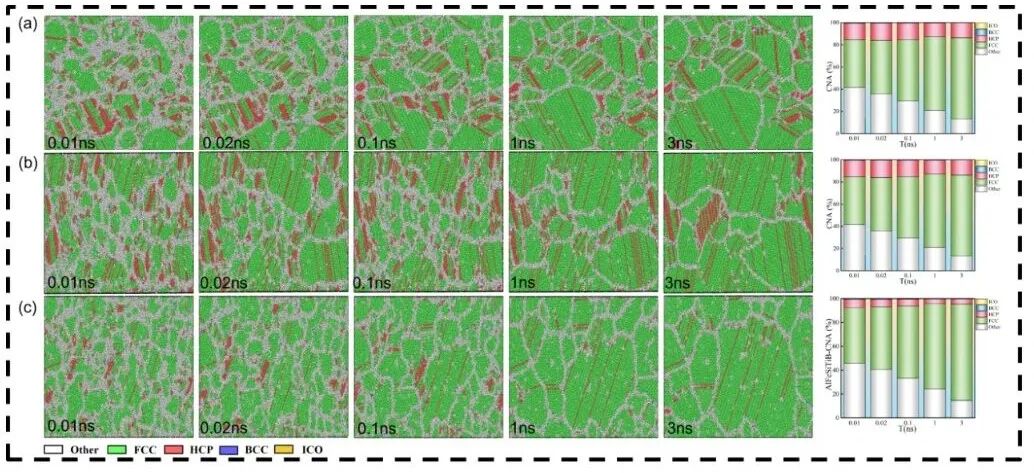
Figure 9. CNA snapshots and histograms of crystal structure fraction changes for different systems during the second heat treatment; (a) AlFe system; (b) AlFeSi system; (c) AlFeSiTiB system.
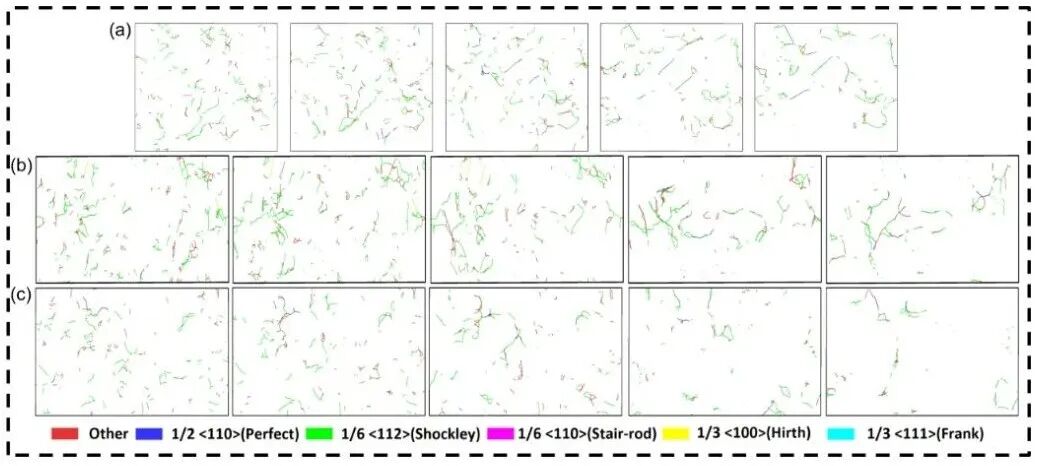
Figure 10. DXA snapshots of different systems during the second heat treatment; (a) AlFe system; (b) AlFeSi system; (c) AlFeSiTiB system.
Figures 9 and 10 show CNA and DXA snapshots of different systems during the second heat treatment. As shown, in the AlFe system, as the heat-treatment time increases, the amorphous phase continuously transforms into FCC and HCP crystals. During heat treatment, dislocations undergo continuous recovery and annihilation, gradually concentrate at amorphous grain boundaries, and the overall dispersed distribution pattern changes little. The AlFeSi system has a higher crystallization rate than the AlFe system: the amorphous phase is consumed faster, and the crystal fraction increases steadily. The dislocation evolution trend is similar to that of AlFe: the dislocation number and length decrease in the early stage of heat treatment, and dislocations later accumulate at amorphous grain boundaries. The AlFeSiTiB system has the fastest crystallization rate among the three, with clear grain boundaries formed in the early stage of heat treatment. After complete heat treatment, this system has the highest FCC crystal fraction; dislocations recover substantially and are almost entirely concentrated in grain boundary regions, and the total dislocation content is significantly lower than in the AlFe and AlFeSi systems.
DPMD combines first-principles accuracy with the ability to simulate large systems, breaking through the size bottleneck of traditional simulations and fully revealing atomic-scale dynamic evolution, thereby making up for the inability of macroscopic experiments to directly observe microscopic details. The simulation results show that the AlFe system has severe Fe segregation and slow crystallization; the AlFeSi system has a higher degree of agglomeration and faster crystallization; and the AlFeSiTiB system with added Ti-B can inhibit Fe-Si agglomeration, form TiB₂ nucleation sites, advance phase transformation, and ultimately exhibit the lowest dislocation level. The simulations reproduced the microstructure and dislocation evolution across the entire chain of melting–cooling–multi-pass rolling–heat treatment, consistent with phase transformation and deformation mechanisms reported in the literature. This verifies the reliability of the multi-scale simulation scheme and provides atomic-level theoretical support for the optimization of aluminum alloy cast-rolling processes.
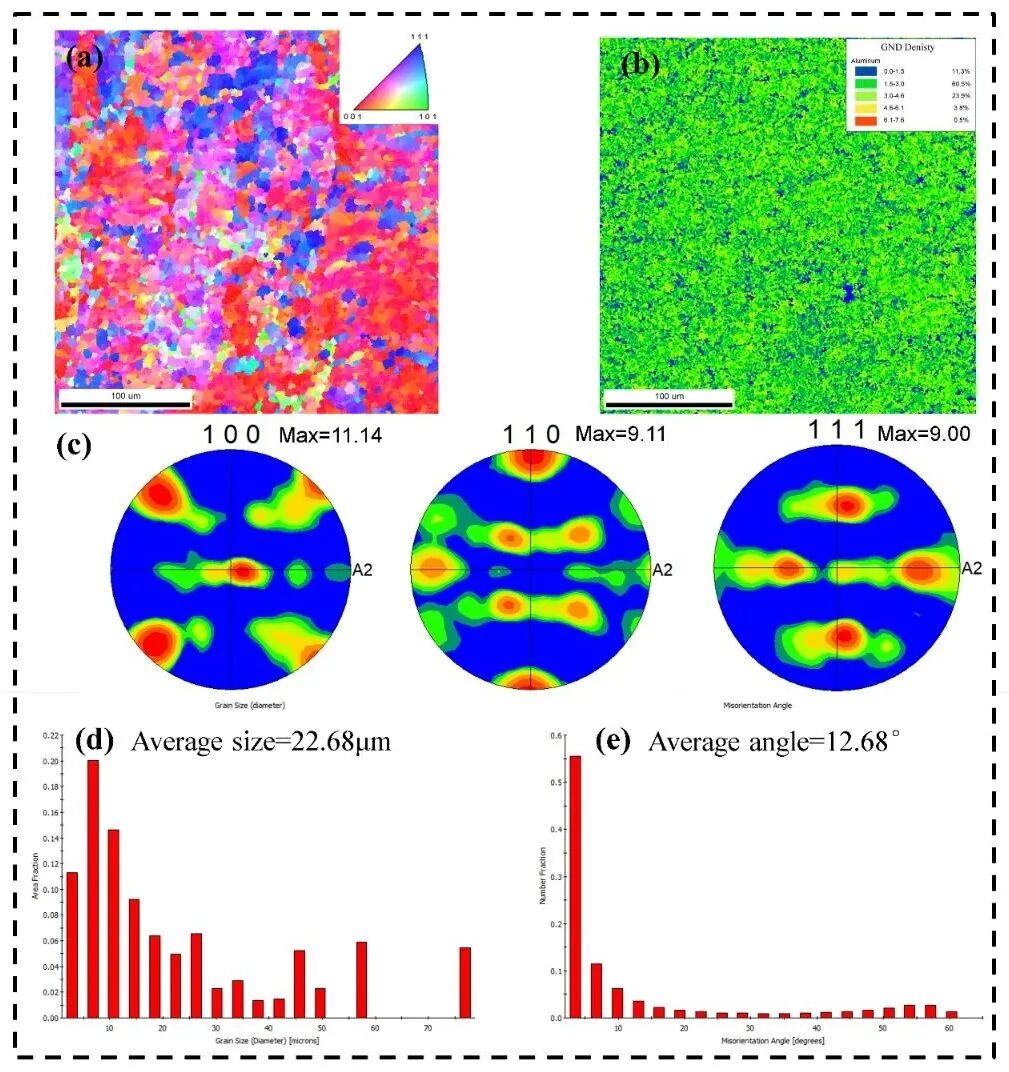
Figure 11. Microstructure of the as-rolled 1xxx aluminum sheet; (a) IPF inverse pole figure; (b) geometrically necessary dislocation density; (c) pole figure; (d) grain size distribution; (e) grain boundary misorientation distribution.
As shown in Figure 11, EBSD characterization was performed on an as-rolled 1xxx industrial aluminum sheet. The α phase inside the sheet is composed of uniform equiaxed grains. The overall geometrically necessary dislocation density reaches 2.58 × 10¹⁴ m⁻², and most regions are in a low dislocation density state. Texture measurements reveal typical brass texture and copper-type texture, consistent with patterns reported in the literature. Grain sizes are concentrated between 5 and 35 μm, with an average grain size of 22.68 μm. Grain boundaries are dominated by 2°–10° low-angle grain boundaries, high-angle grain boundaries account for 22.2%, and the average grain boundary misorientation is 12.68°. This set of industrial measured microstructural data provides a direct experimental reference for the DPMD atomic simulation results.
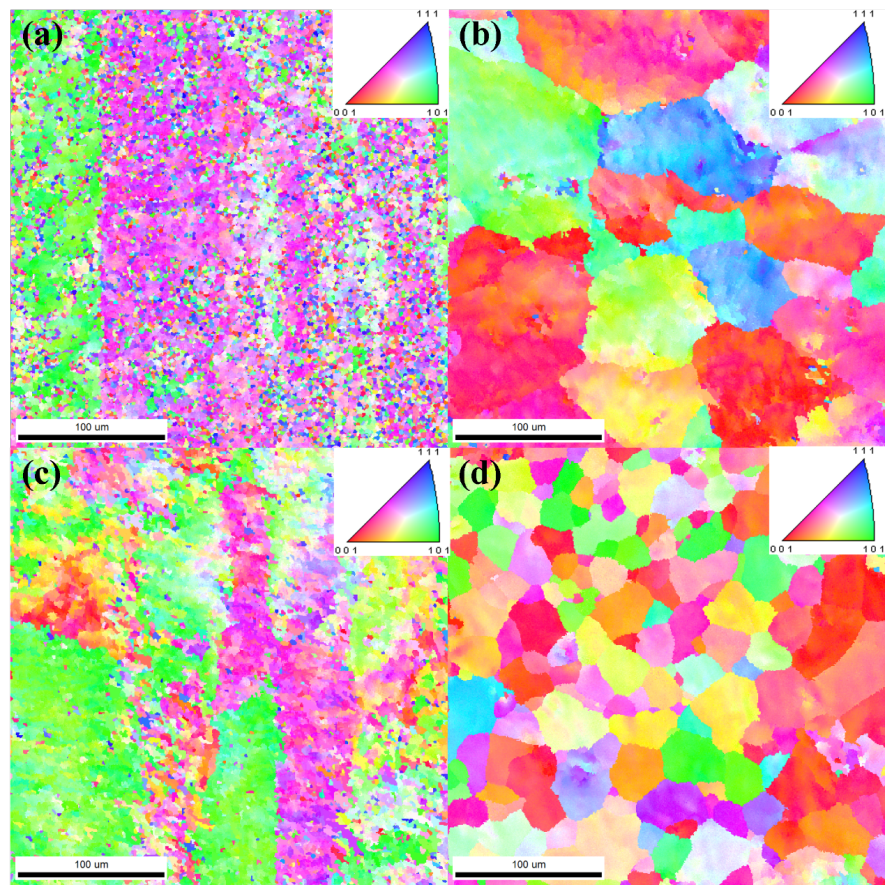
Figure 12. IPF inverse pole figures of 1xxx aluminum sheets before and after annealing; (a) 2.5 mm as-rolled; (b) 2.5 mm annealed; (c) 0.68 mm as-rolled; (d) 0.68 mm annealed.
As shown in Figure 12, EBSD was used to observe the microstructural evolution of aluminum sheets of different thicknesses before and after annealing. In the 2.5 mm as-rolled sample, grains are elongated along the rolling direction and appear fibrous; large grains are broken internally, local misorientation is large, and high-angle grain boundaries are aligned along the rolling direction. These experimental phenomena are mutually consistent with the DPMD rolling simulation results described earlier. After homogenization annealing at 773 K, the sample undergoes obvious recrystallization, forming recrystallized elongated grains distributed along the rolling direction.
In the 0.68 mm as-rolled sheet, the original equiaxed grains are elongated into a fibrous structure, and shear bands are generated inside the grains, causing grain fragmentation and lattice distortion. After finish annealing, the structure transforms into uniform equiaxed fine grains. The alternating rolling–annealing cycles drive progressive grain refinement: rolling causes grain deformation and stress concentration, while annealing induces recrystallization to form fine grains, ultimately producing a more uniform size distribution.
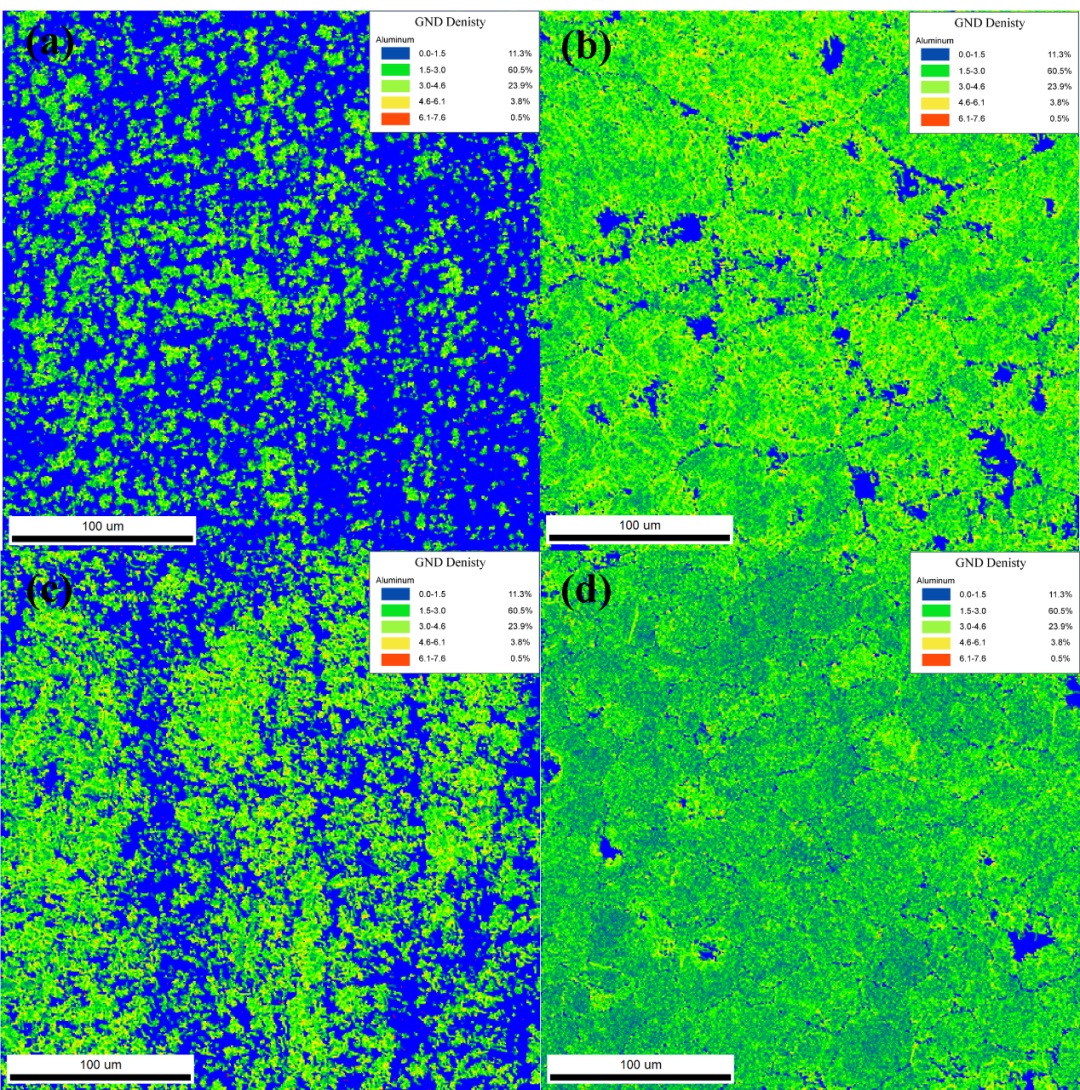
Figure 13. Geometrically necessary dislocation density distribution maps of 1xxx aluminum sheets before and after annealing; (a) 2.5 mm as-rolled; (b) 2.5 mm annealed; (c) 0.68 mm as-rolled; (d) 0.68 mm annealed.
Using EBSD-KAM, the geometrically necessary dislocation density distribution of the sheets before and after annealing was obtained. The 2.5 mm as-rolled sheet has a large degree of deformation and a high proportion of high-dislocation regions. After homogenization annealing at 773 K, a large number of regions transform into a low-dislocation state, and the dislocation density decreases by 51.8%. After the second rolling pass, the dislocation density of the 0.68 mm sheet increases again. Finish annealing releases part of the stored deformation energy, further reducing the dislocation density by 17.0%. The experimental dislocation variation trend matches the DPMD simulation results.
A quantitative simulation–experiment comparison was further carried out: the simulated dislocation density was calculated based on the dislocation lengths output by DXA, and the measured dislocation density of industrial sheets was obtained by EBSD-KAM. The results show that for the three alloys under rolled and annealed conditions, the simulated and experimental dislocation densities are in the same order of magnitude, and the variation trend of significant dislocation reduction after annealing is completely consistent.
The AlFe system has the highest dislocation level; after adding Si, the dislocation level decreases somewhat; and the Ti-B co-modified AlFeSiTiB alloy has the lowest dislocation density in both rolled and annealed states. The small numerical deviations between simulation and experiment come from the scale difference between the model and macroscopic specimens, but the physical mechanism by which elements regulate dislocations is fully consistent. This confirms that the deep potential model in this work can quantitatively reflect dislocation evolution during actual processing and achieve an effective correlation between atomic simulation and macroscopic experiments.
Conclusions
DPMD simulations reveal the synergistic effects of alloying elements: in the AlFe system, Fe atoms tend to agglomerate and form the brittle AlFe phase, and 17.5% amorphous phase remains even after heat treatment. After adding Si, the crystallization rate of the AlFeSi system increases by 40%, and the minimum amorphous content is only 6.5%. The AlFeSiTiB system relies on Ti-B nucleation sites and can undergo phase transformation already during the cooling stage, suppressing dislocation slip and resulting in an overall lower dislocation content. This method breaks through the size limitations of traditional simulations and provides a new approach for analyzing the synergistic mechanisms of multiple alloying elements.
The EBSD experimental results are highly consistent with the simulation trends: homogenization annealing at 773 K promotes recrystallization and grain growth; after rolling-induced fragmentation, the sheet subjected to finish annealing at 613 K develops uniform equiaxed grains, eliminating work hardening. Annealing promotes the transformation of texture toward cube texture, promotes the nucleation and growth of cube-oriented grains, optimizes texture intensity, and at the same time reduces dislocation density, releases internal stress, and forms stable dislocation cells, causing the microstructure to tend toward a steady state. The experimental and simulation conclusions corroborate each other, proving that this multi-scale simulation can accurately predict the microstructural evolution of 1XXX-series aluminum alloys throughout the entire cast-rolling process.
Article link:
DOI: 10.1016/j.jallcom.2026.190329